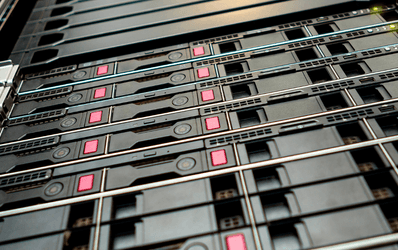

How Data Centre Design Impacts Cybersecurity


Cybersecurity might make you think of firewalls, encryption, or the latest threat‑monitoring tools, but the truth is that protection starts much earlier than that. Long before a data centre switches on its first server, its design is already shaping how secure and resilient it will be. From the way people move through the building to how networks are segmented behind the scenes, every decision influences how well an organisation can defend itself when something goes wrong.
As organisations continue to expand their digital footprint, the demand for skilled people across the data centre sector is growing rapidly. For anyone considering a career in this space, understanding how design influences cybersecurity is a great way to stand out. It gives you a clearer sense of what makes a facility genuinely secure and highlights the qualities employers look for when building strong, resilient teams.
This blog takes you through the essential design features that make a real difference to security, giving you insight into how modern data centres are built to protect the world’s most critical information.
Physical Security and Access Control
Strong cybersecurity starts with physical protection. If an unauthorised person gains access to servers or networking equipment, even the most advanced digital safeguards can be bypassed. Effective data centre design incorporates multiple layers of security, each one designed to slow down, detect or prevent intrusion.
Key elements include:
- Controlled entry points with authentication systems
- Biometric scanners and key card access
- CCTV coverage across critical pathways
- Secure racks, cages, and cable management
- Clear separation between visitor, contractor and staff routes
These design choices ensure that hardware remains protected and that only authorised specialists can access sensitive areas. Strong physical security reduces risks such as intentional tampering, device theft and the installation of rogue equipment.
Secure Network Architecture and Segmentation
Once the physical environment is secure, attention turns to the digital layout of the data centre. How the network is structured plays a key role in limiting the impact of a cyberattack. If systems are too closely connected, it becomes far easier for an attacker to move from one area to another once they have found a way in. Good design prevents this by creating clear boundaries within the network and controlling how information moves through the facility.
Some of the core principles include:
- Dividing the network into smaller, isolated segments
- Verifying every access request rather than relying on trust
- Keeping administrative tools on separate, protected networks
- Allowing systems to communicate only when there is a valid need
When a network is designed with these safeguards in place, any attempted breach is more likely to be contained quickly. It also means essential systems remain secure even if another part of the network comes under pressure, helping teams across technical and operational roles work with greater confidence.
Resilience, Redundancy and Operational Continuity
Cybersecurity is not just about prevention. It is also about ensuring the organisation can continue to operate during a disruption. Data centres must be designed with resilience at their core so they can withstand both technical failures and targeted attacks.
Resilient facilities typically include:
- Redundant power supplies and backup generators
- Dual cooling systems with independent pathways
- Multiple network routes to avoid single points of failure
- Tier certification aligned with resilience expectations
Distributed, multi‑site infrastructure is becoming more common as organisations seek to keep services online even during major incidents. These considerations are central to Commissioning Manager jobs, and various construction management jobs. When facilities can stay operational during pressure, organisations avoid costly downtime and reduce the risk of systems restarting in weakened configurations.
Monitoring, Detection and Environmental Controls
Visibility is essential in cybersecurity. Data centre design must support continuous monitoring so that unusual or suspicious activity can be identified quickly. This requires both digital and physical systems working together.
Effective monitoring design often includes:
- Security Information and Event Management tools
- Intrusion detection and prevention systems
- Comprehensive CCTV coverage
- Controlled logging of staff access and permissions
- Sensors that track temperature, humidity and environmental stability
Environmental controls are particularly important. Excess heat, sudden humidity changes, or inadequate air flow can cause hardware failures that lead to unexpected outages. A well‑designed facility places sensors in the right locations and uses fire suppression systems that protect equipment rather than damage it. These design principles are vital for pre-construction manager and broader data centre jobs focused on long‑term operational stability.
Frequently Asked Questions
1. Why does data centre design matter for cybersecurity?
Because the physical layout, network structure and environmental systems directly influence how well a facility can prevent, detect and contain cyber threats.
2. How does physical security help protect data?
Strong access control, secure pathways and monitored entry points prevent unauthorised individuals from reaching critical hardware where attacks can be launched physically.
3. What role does network segmentation play in cybersecurity?
Segmentation creates boundaries within the network so attackers cannot easily move from one system to another if they breach an entry point.
4. How can I benefit from understanding data centre design?
Having knowledge of how design impacts cybersecurity helps candidates demonstrate technical awareness and stand out in a competitive sector.
In summary, strong cybersecurity starts with smart data centre design. When factors such as physical access control, network layout, system resilience and continuous monitoring are built in from the beginning, organisations create environments that are far harder for attackers to penetrate. For anyone developing their career in the data centre sector, understanding how design shapes security is an excellent way to stand out and offer real value.
Next steps:
Ready to make a career move? Work with QCS Staffing to access pre vetted talent and tech staffing agency services that deliver. Take a look at our live vacancies or send us your resume today!